
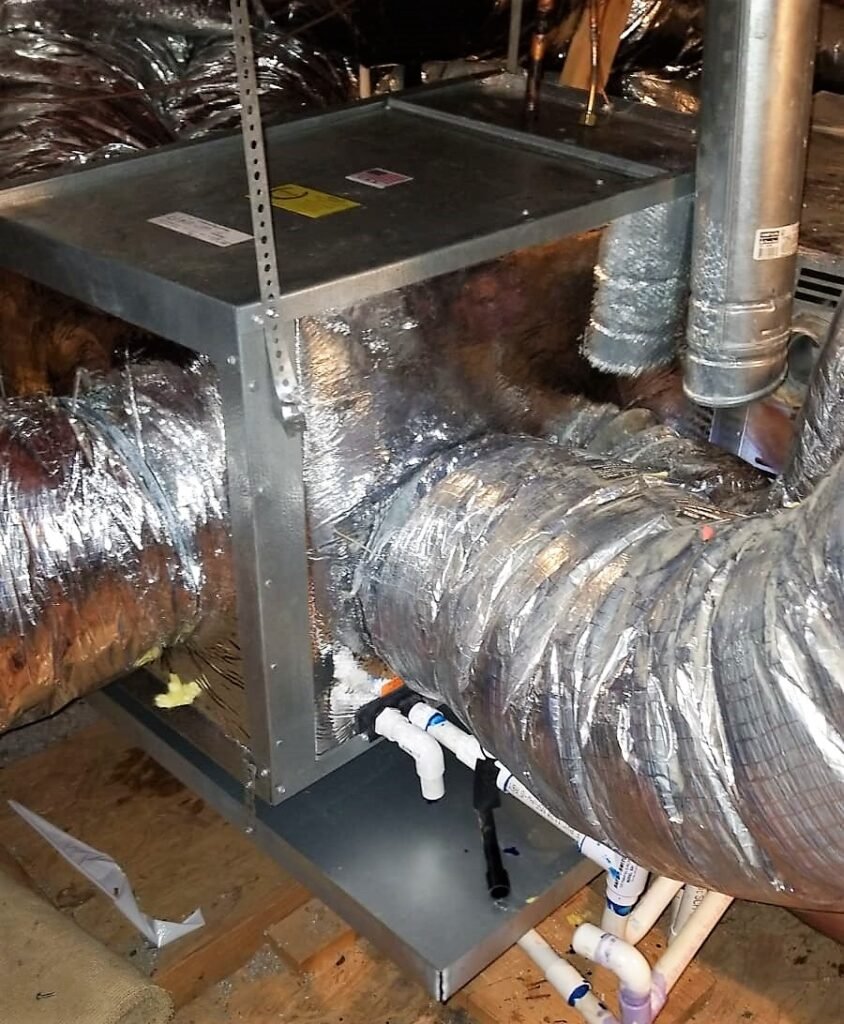
Welcome to the Breathe Easier Ultimate guide to air duct cleaning. If your home feels stuffy or dusty even after you clean, the ductwork behind your walls is often the reason. Dirty air ducts circulate dust, allergens, and odors through every room and force your HVAC system to work harder. This guide covers the six warning signs that your ducts need attention, what professional cleaning actually fixes, and which tasks you can safely handle yourself.
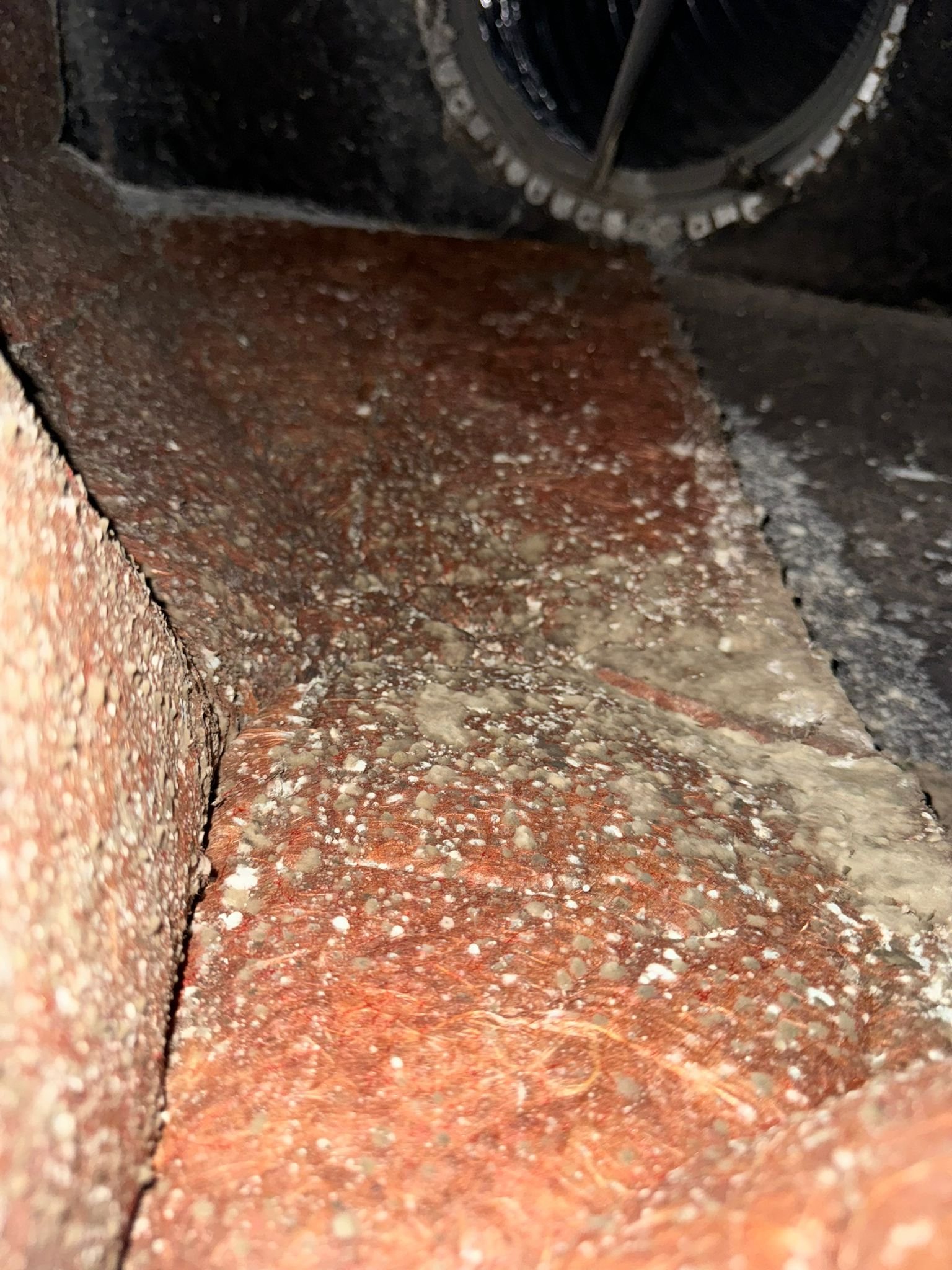
Breathe Easier: The Ultimate Checklist of Signs Your Air Ducts Need Cleaning
1. Visible mold or mildew
If you see mold or mildew growth on vent covers, inside the ducts, or on the indoor coil, contact a professional right away. Mold in the duct system spreads spores through the whole house and can cause health problems, especially for children, older adults, and anyone with asthma.
2. Musty or stale odors from the vents
A musty smell that appears every time the system runs usually means moisture and microbial growth inside the ducts or on the coil. If the smell does not go away after a filter change, the ductwork needs an inspection.
3. Excessive dust around the home
Dust that returns within a day or two of cleaning, or dark streaks around the supply vents, points to dust accumulating inside the ducts. Every time the blower runs, it pushes that buildup back into your living space.
4. Rising energy bills
Clogged ducts restrict airflow, so the system runs longer to reach the thermostat setting. If your bills have climbed without a change in weather or usage, dirty air ducts or leaky ductwork may be the cause.
5. Allergy or asthma symptoms indoors
Sneezing, congestion, or coughing that gets worse at home and improves when you leave suggests the air itself is the problem. Pollen, pet dander, and dust mites collect in ductwork and recirculate with every cycle.
6. Recent renovation, pests, or a new home
Drywall dust from a remodel, evidence of rodents or insects in the ducts, or moving into a home with an unknown maintenance history are all good reasons to schedule a cleaning and inspection.
Not sure which of these applies to you? Our air duct cleaning service starts with an inspection, so you only pay for cleaning if it is needed.
Why Dirty Air Ducts Are Worth Taking Seriously
The EPA recommends duct cleaning when there is visible mold, a pest infestation, or ducts clogged with enough dust that it is released into the home. Those are exactly the signs above. Beyond health, dirty ducts hurt your equipment: restricted airflow makes the blower motor and compressor work harder, which shortens system life and leads to earlier repairs. The ultimate goal of this guide is simple: help you breathe easier and spend less on cooling.
The Ultimate Way to Breathe Easier: Professional Air Duct Cleaning
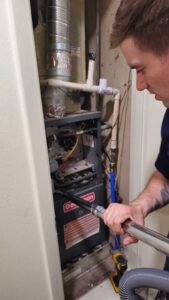
Professional cleaning uses negative-pressure vacuums and rotating brushes to remove buildup from the full length of the duct system, including the return side, the plenum, and the registers. A proper cleaning delivers three results:
- Cleaner indoor air. Removing dust, dander, and debris from the ducts cuts the amount of material recirculated through the home, which matters most for allergy and asthma sufferers.
- Better HVAC efficiency. Clear ducts restore airflow, so the system reaches the set temperature faster and runs less. Pairing cleaning with air duct sealing also stops conditioned air leaking into the attic; ENERGY STAR notes that leaky ducts can waste a large share of the air you pay to cool.
- Longer equipment life. Less strain on the blower and coil means fewer breakdowns and a later replacement date.
Look for a company that follows NADCA standards, inspects before quoting, and cleans the whole system rather than just the vent covers. Texas Choice Heating And Air is licensed (TACLB00063725E) and provides residential duct cleaning across Arlington, Pantego, and DFW.
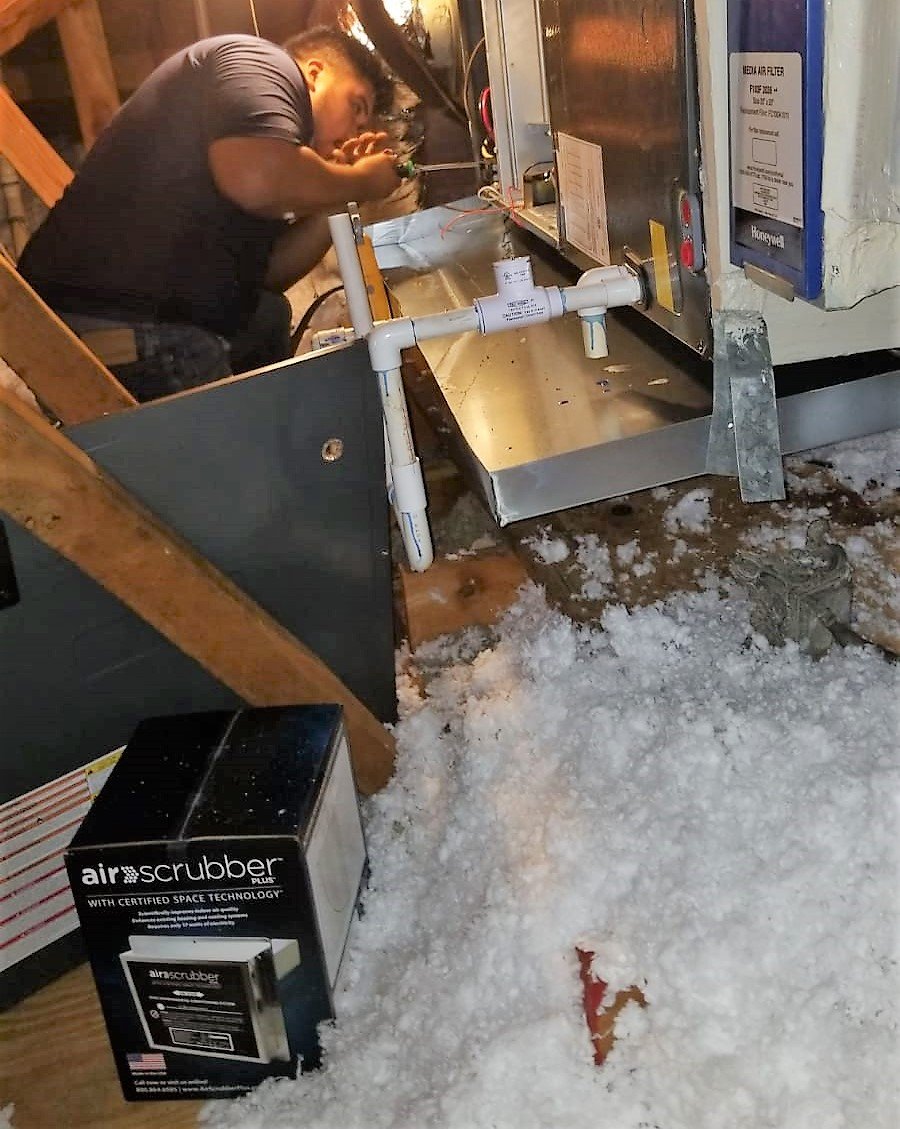
Breathe Easier at Home: The Ultimate DIY Checklist
You cannot clean the inside of a duct system properly with household tools, and spraying disinfectant into ducts is not recommended. What you can do is keep buildup from forming and catch problems early:
- Change the air filter every 1 to 3 months. The filter is the first line of defense against dust entering the ducts.
- Remove and wash vent covers. Unscrew supply and return grilles, wash them with soap and water, and dry fully before reinstalling.
- Vacuum what you can reach. Use a vacuum hose to clean the first foot or two inside each supply register and the return opening. Do not push brushes or wet cloths deep into flexible ductwork; it tears easily.
- Keep returns unblocked. Move furniture, rugs, and curtains away from return grilles so the system pulls air cleanly.
- Control humidity. Keep indoor humidity below 50 percent to discourage mold on the coil and in the ducts.
- Inspect twice a year. Shine a flashlight into a few registers in spring and fall. Thick dust, debris, or any sign of moisture means it is time to call a professional.
How Often Should Air Ducts Be Cleaned?
For most Texas homes, a professional cleaning every three to five years is enough, with inspections more often if you have pets, allergies, smokers in the home, or a recent renovation. Combining the cleaning with a seasonal AC maintenance visit keeps the coil, blower, and ducts clean at the same time, which is the ultimate way to breathe easier year-round.
Quick Reference: Duct Cleaning Warning Signs
| Warning sign | Likely cause | What to do |
|---|---|---|
| Visible mold on vents or coil | Moisture in the system | Call a professional now |
| Musty smell when the system runs | Microbial growth in ducts or coil | Change filter, then schedule an inspection |
| Dust returns within days | Buildup inside ductwork | Schedule a cleaning |
| Higher energy bills | Restricted airflow or duct leaks | Inspect ducts, consider sealing |
| Allergy symptoms at home | Allergens recirculating | Cleaning plus a better filter |
| Renovation or pests | Debris or contamination in ducts | Inspection and cleaning |
Breathe Easier Ultimate Guide: Frequently Asked Questions
What are the most common signs your air ducts need cleaning?
Visible dust around vents, a musty smell when the system runs, mold on vent covers, allergy symptoms that get worse indoors, and energy bills that climb without a change in usage.
Does air duct cleaning really help you breathe easier?
When ducts are visibly dirty, moldy, or contaminated by pests, yes. Cleaning removes the material that would otherwise recirculate. If the ducts are already clean, cleaning offers little benefit, which is why a good company inspects first.
How much does air duct cleaning cost in DFW?
Prices depend on the number of vents, the system size, and whether mold treatment or sealing is needed. Texas Choice provides a free quote after inspection, so you know the price before any work begins.
Can I clean my own air ducts?
You can wash vent covers, vacuum the openings, and change filters. Cleaning the full duct run requires negative-pressure equipment and training, so leave that to a licensed professional.
Schedule an Air Duct Inspection in Arlington and DFW
Ready to breathe easier? The ultimate next step is an inspection. Texas Choice Heating And Air will check your ductwork and give you a straight answer. Call (469) 213-7527 or request a service call online. We serve Arlington, Pantego, Fort Worth, Rockwall, and the rest of the Dallas-Fort Worth area.
This Post Has 5 Comments
Pingback: Dryer Vent Cleaning, Signs Your Vent Is Clogged
Pingback: Attic Insulation Replacement Signs for Homeowners
Pingback: Air Duct Cleaning Signs Every Homeowner Should Know
Pingback: Attic Insulation Removal, Signs You Need It
Pingback: Professional Duct Cleaning: When to Hire a Pro | Texas Choice
Comments are closed.